When we want more out of life, we almost always reach for the same move. Add something. A side project, a new habit, a course, a plan. We get excited, we picture the upside, and the excitement is real. We dream it forward, and then we say yes.
And the yes feels good, because at the moment you decide, all you can see is the upside. That is the part we get wrong. Every new thing has an upside and a downside, but when we are excited we only run the math on one side of the ledger. We are strangely blind to what a decision will cost us, and even when we can see the cost, we rarely weigh it as heavily as the promise.
So we keep adding. It almost never occurs to us to ask the other question. Not what can I add to get what I want, but what can I remove.
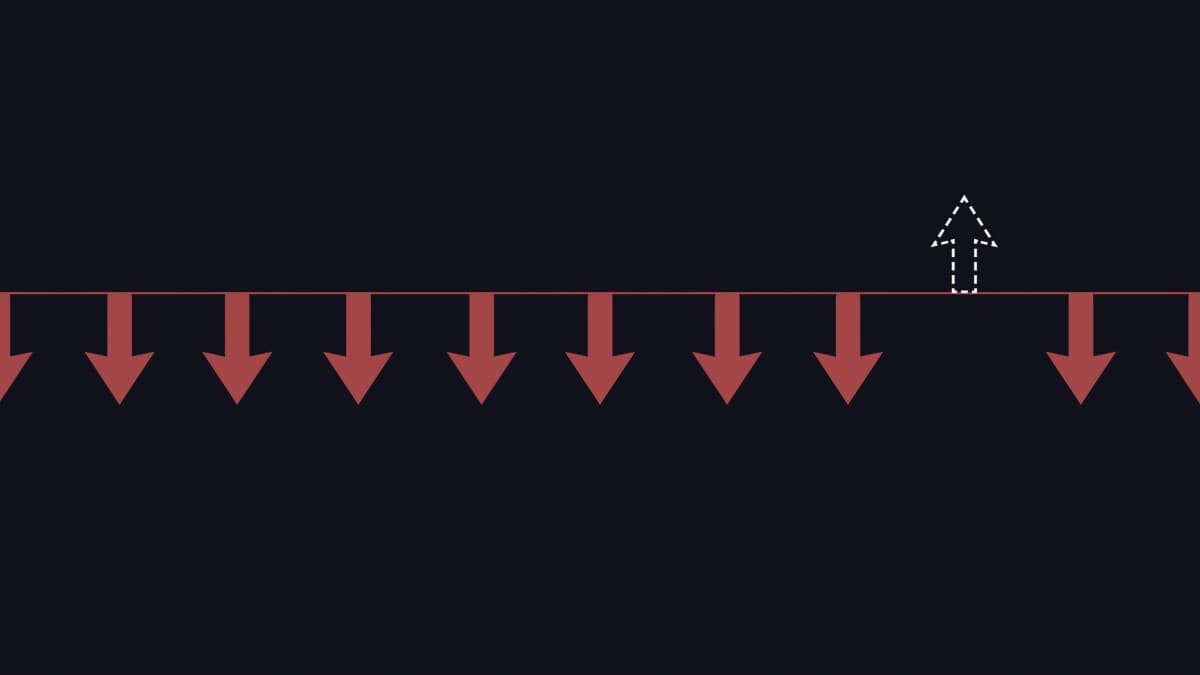
Here is what makes that question so easy to miss. When you add something and it works, you can see the result. You can point to it. But when you avoid something, nothing happens, and nothing is hard to notice. You never took on the debt, so there is no debt to point at. You never started the show, so there was no lost night to regret. The reward for a good no is an absence, and an absence is invisible. It feels like nothing happened, because from the outside, nothing did.
That is exactly why so few people make these choices. We are wired to chase visible wins, and the best avoidances never show up as wins at all. They show up as problems you simply never had.
A simple rule can protect you from an entire category of downside. Decide once, never carry credit card debt, and you delete a whole class of future stress in advance. Decide once, this is not something I drink, and the foggy mornings never arrive. The rule does the work so you do not have to win the same small battle every single time.
So when you want to improve something, run both questions, not just the first. What can I do to get there. And what can I stop doing, or never start, that is quietly working against it. Some of the answers will surprise you. And some of them will not surprise you at all, because you already knew.
That is the hard part. It was never really about figuring out what to avoid. Deep down, we usually know. It is about being willing to.